For most of the last two decades, the conversation about renewable energy in MENA was about national strategy: utility-scale projects, sovereign commitments, and the long timelines of grid decarbonisation. The conversation about industrial renewable energy at the asset level was thinner. The numbers didn't always work; the technology was less mature; the alternatives were cheap.
That has changed. The investment case for industrial renewables in MENA in 2026 is different from the case in 2018 or even 2022 — economically, technically, and operationally. This article is a brief overview of what's shifted.
What's changed
Fuel prices. The era of dependably cheap fossil fuels for industrial process heat is over for most MENA operators. Diesel, LPG, and natural gas have become more volatile, more expensive on average, and harder to plan around. The economic baseline against which renewable alternatives are compared has moved.
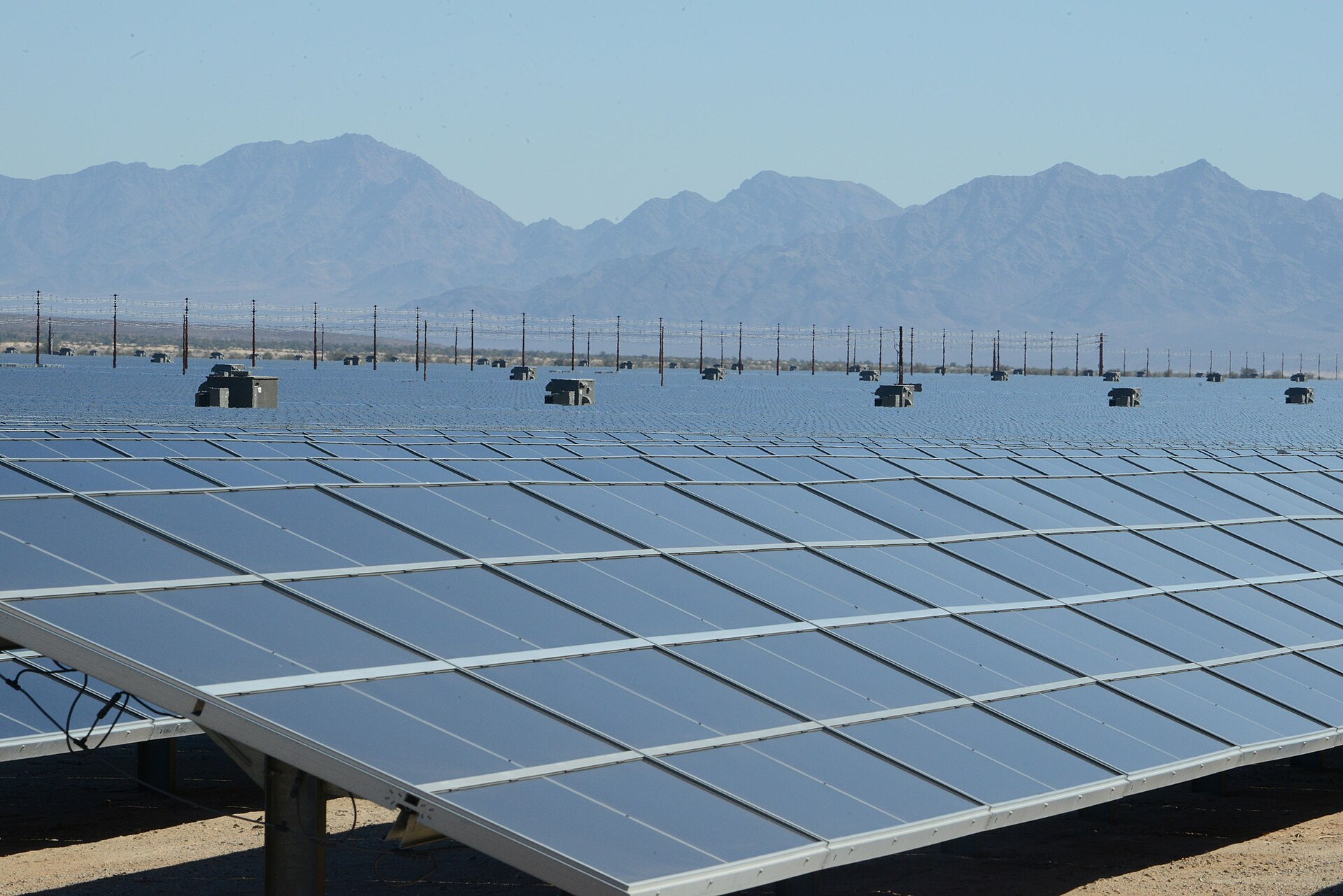
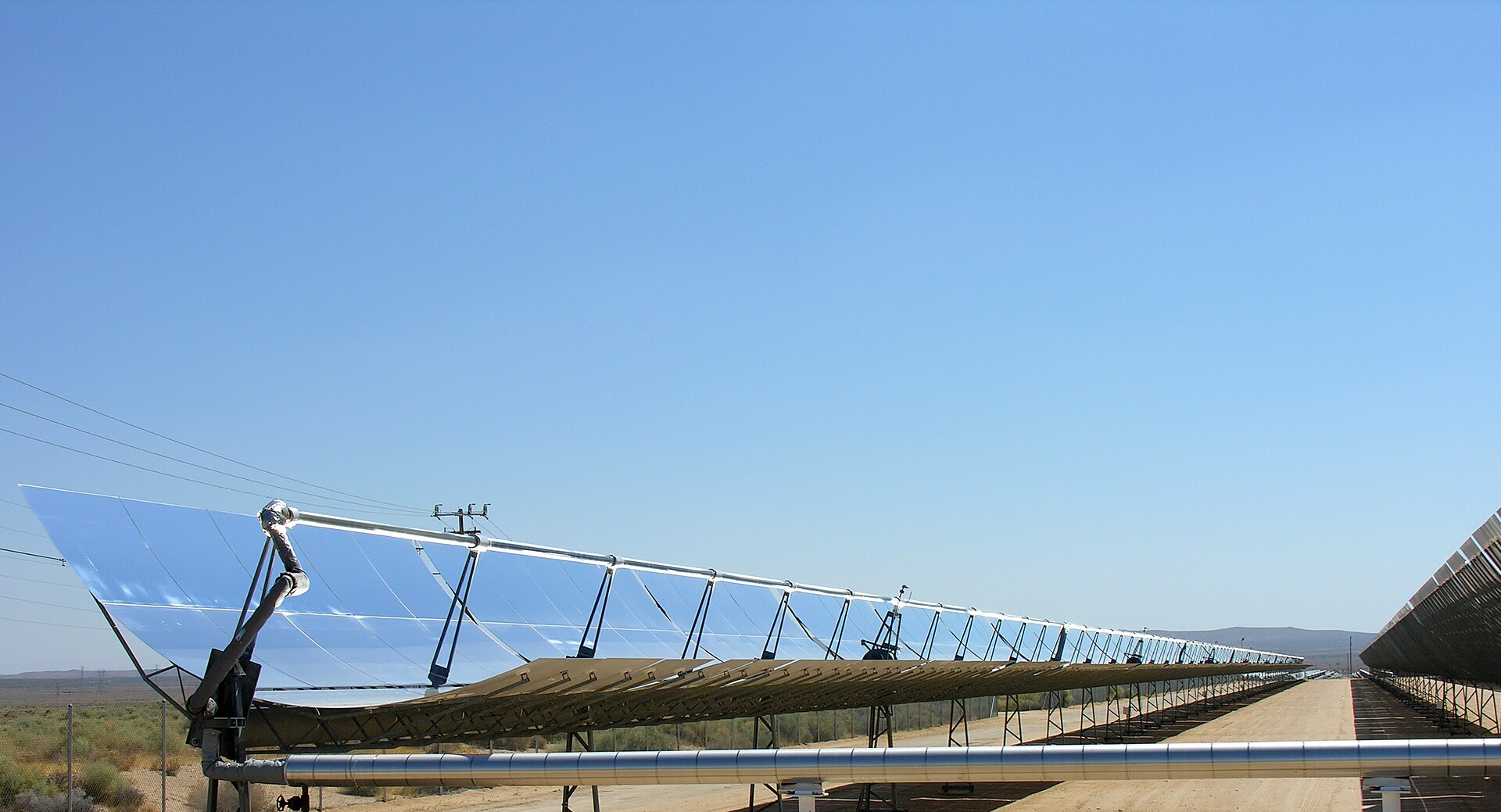
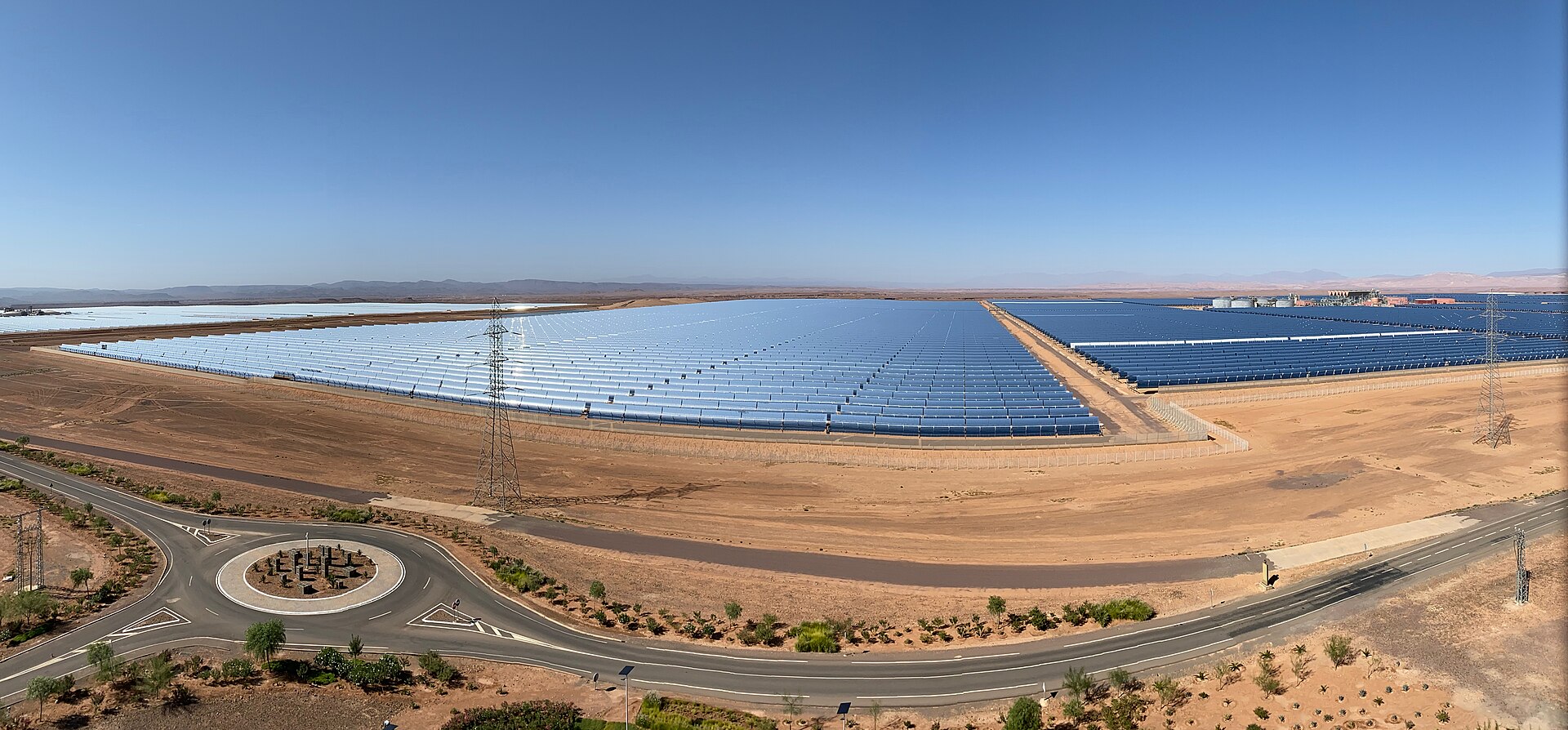
Technology maturity. Solar thermal, parabolic concentrators, solar PV, and hybrid configurations have all matured. The performance and reliability that were aspirational ten years ago are now standard. Engineering risk that justified premium contingencies has shrunk.
Capital availability. Green finance is no longer a niche. Industrial renewables can be financed through specialised energy funds, regional development banks, and an increasing number of private investors with explicit mandates for the sector. The cost of capital for a credible renewable project has fallen meaningfully.
Operating expertise. A regional ecosystem of engineering firms, O&M providers, and specialist installers now exists. Industrial operators no longer need to import a complete supply chain to deploy renewable energy at scale.
Regulatory environment. Most MENA governments have moved from "permitting tolerated" to "actively encouraged" for industrial renewable installations. The path from permit to commercial operation is faster than it was.
What hasn't changed
Grid integration is still hard. Exporting power to the local grid remains constrained in much of the region. Industrial renewables that consume their own output economically are still significantly more straightforward than projects depending on grid sales.
Capital intensity is still real. Solar thermal at industrial scale is not cheap in absolute terms. The case is good because of long operating life, low fuel cost, and stable economics — not because the upfront number is small.
O&M discipline still decides outcomes. Strong O&M can deliver 95% of design performance over twenty-five years; weak O&M can erode the business case by year ten. (See our piece on O&M deciding ROI.)
Site-specific evaluation is still essential. Generic feasibility studies are misleading. Each industrial site needs honest analysis of heat demand profile, solar resource, available space, fuel cost baseline, and capital availability. Skipping the site evaluation is the most reliable way to deploy renewable technology that underperforms.
Where the case is strongest in 2026
Industrial renewable energy in MENA in 2026 makes the strongest case for:
- Process heat below 300°C in food processing, textiles, pharmaceuticals, chemicals, and dairy
- District energy in industrial parks with multiple heat-consuming tenants
- Desalination for industrial water requirements
- Solar PV for any site dominated by electrical loads, especially in markets with rising electricity tariffs
- Hybrid systems combining solar thermal for process heat with PV for electrical loads
The pattern is consistent: the case is strongest where the operator has predictable, locally-consumed energy demand and a fossil fuel baseline that's been getting more expensive.
Where it's weaker
- Very high-temperature process heat (above 400°C) where the technology is still complex and costly
- Sites with high shading, limited space, or weak solar resource
- Operations that already burn very cheap by-product fuels (refinery off-gas, etc.)
- Projects designed primarily for grid export in markets where that's still difficult
The weak cases aren't necessarily bad cases. They're cases where the economics need more time, more financial structure, or more technology maturity to work cleanly.
What an industrial operator should do
Five practical steps for a MENA industrial operator considering renewable energy in 2026:
- Audit your current energy use honestly. Not what the design assumes — what the actual demand profile is, by hour and by month, with current fuel costs.
- Evaluate the site against renewable technologies. A serious feasibility study covers heat, electricity, available space, shading, soil conditions, grid connection, and fuel baseline. Generic studies aren't useful; site-specific ones are.
- Model the twenty-five-year economics, not the five-year payback. Renewable energy's case is long-horizon. Short-term financial models will misrepresent the strength of the case.
- Build the O&M plan with the capital plan. Decisions made at design time affect performance for decades. O&M considerations belong upstream of the financial close.
- Treat it as an operating decision, not a sustainability decision. Industrial renewable energy in 2026 is a business decision with sustainability co-benefits — not the other way around.
How PNM UK works
PNM UK delivers solar thermal, parabolic systems, engineering consultancy, O&M, and customised technical solutions across the United Kingdom and the MENA region. Our engagements typically start with site-specific feasibility — heat demand, electrical demand, site evaluation, fuel baseline — and only move to technology recommendations after the operating context is clear.
We work primarily with industrial and commercial clients evaluating renewable energy as an operating-cost decision. If that describes your situation, start a conversation.
Final thought
The renewable energy investment case in MENA in 2026 is materially stronger than it was even three years ago. It's also more nuanced — site-specific, technology-specific, and operator-specific. Generic enthusiasm for renewables is no longer a useful posture for industrial decision-makers. Honest evaluation is.
- MENA renewable energy
- industrial solar MENA
- renewable investment
- energy transition Middle East
- PNM UK