The visible cost of a solar project is the capital cost. The visible benefit is the design output. The relationship between the two is calculated, discounted, and reported as ROI. Most project sponsors think the economics are decided at financial close.
They aren't. The economics are decided over the next twenty-five years by the quality of operation and maintenance — and the difference between good and poor O&M is large enough to invert the business case entirely.
What good O&M actually does
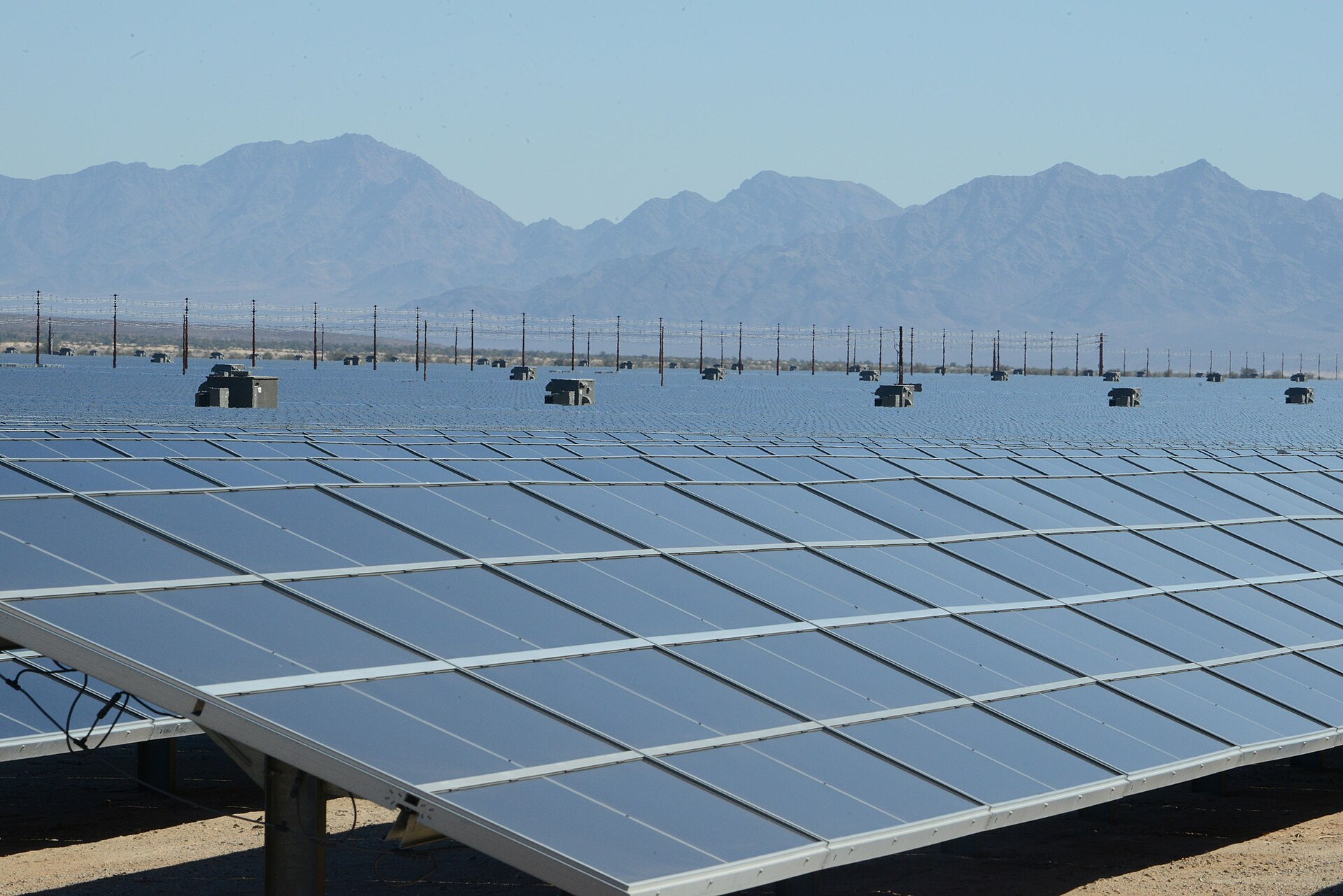
A well-maintained solar installation delivers close to its design output for most of its lifetime. A poorly maintained installation degrades — sometimes catastrophically — through a combination of issues that each individually look small but compound:
- Soiling on panels or mirrors reducing irradiance capture
- Inverter faults left unresolved for weeks
- Tracking systems drifting out of alignment
- Connection points corroding
- Vegetation growth shading rows
- Pest damage to wiring
- Slow-degrading thermal fluids
- Mismatched string outputs going unnoticed
Each issue, on its own, looks like a few percentage points of degradation. Together, after five years of neglect, an installation can be delivering thirty to fifty percent below design output without any single dramatic failure.
Why O&M gets underinvested
O&M underinvestment is structural. Three reasons:
It's invisible. Capital costs are visible at financial close, reviewed by investors, scrutinised in board meetings. Operating costs are spread thin across many years and rarely get the same attention.
It's outsourced. The original developer often hands over to a separate O&M contractor at COD (commercial operation date). The contractor optimises for their margin within the contract — which usually does not include the asset's long-term performance.
It's deferrable. A panel that needs cleaning today still produces some output tomorrow. The fault that should have been investigated still hasn't caused an outage. Each individual deferral seems reasonable. The compound effect is not.
What good O&M looks like
A serious O&M operation has five characteristics:
Performance monitoring at granular level. Per-string or per-module data, not just plant-level output. Anomalies caught the day they start, not the quarter they show up in a financial report.
Scheduled maintenance with discipline. Cleaning, inspection, electrical testing, mechanical alignment — all on schedule, not on complaint. The schedule is set against local conditions, not generic best practice.
Spare parts availability. Critical components stocked locally so a fault that should take twenty-four hours to resolve doesn't take three weeks waiting for shipping. This is a real cost — but a small one compared to lost output.
Specialist technician access. Trained, certified people with manufacturer-level knowledge of the specific equipment installed. Generic electrical technicians can do basic work; specialist faults require specialist hands.
Honest reporting. Performance versus expectation, monthly, including what's degrading and what's being done about it. Reports that only show "everything is fine" are usually masking what isn't.
The economic case
A solar installation operating at 95% of design output over 25 years generates substantially more energy — and more revenue or fuel savings — than the same installation operating at 75%. The differential is so large that high-quality O&M typically pays for itself many times over before the system reaches mid-life.
For industrial process heat applications, the calculation is even sharper. Heat is consumed locally, so output reductions don't get absorbed into a grid average — they directly increase fossil-fuel use to make up the gap. A poorly maintained industrial solar thermal system can quietly burn through years of expected fuel savings before anyone notices the asset is underperforming.
What to look for in an O&M provider
Before contracting O&M for a solar installation, evaluate the provider on:
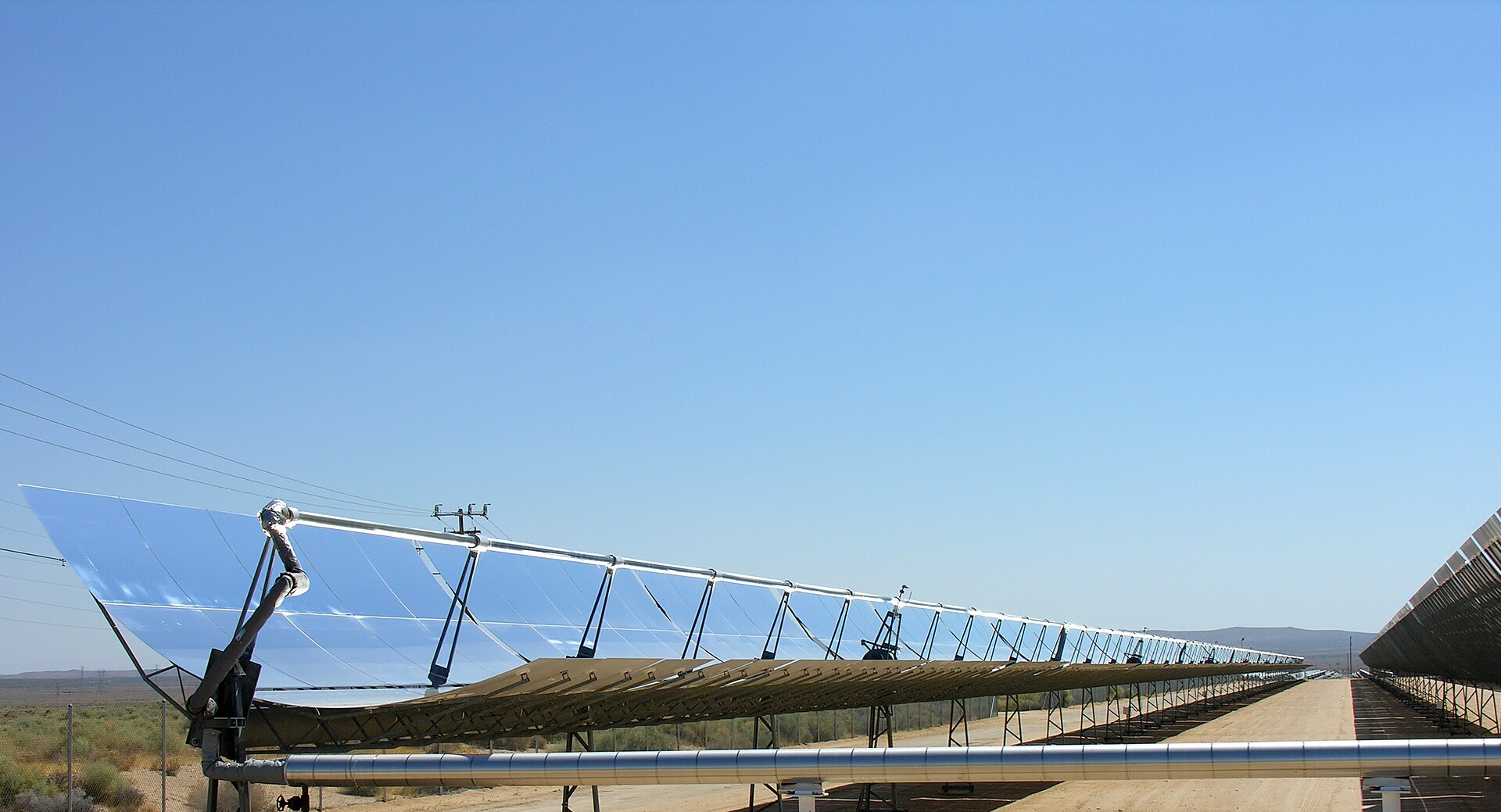
- Experience with your specific technology. PV and solar thermal require different skills. Parabolic concentrators require different skills again. Generic "solar O&M" is not enough.
- Geographic presence. A response time of hours, not days. Local technician availability matters more than corporate scale.
- Reporting transparency. Ask to see a sample monthly report. If it doesn't tell you what's degrading and why, it's not a real report.
- Spare parts inventory. What do they stock? Where?
- Performance-linked contracting. A provider willing to put performance guarantees in the contract is a provider confident in its operation.
How PNM UK works
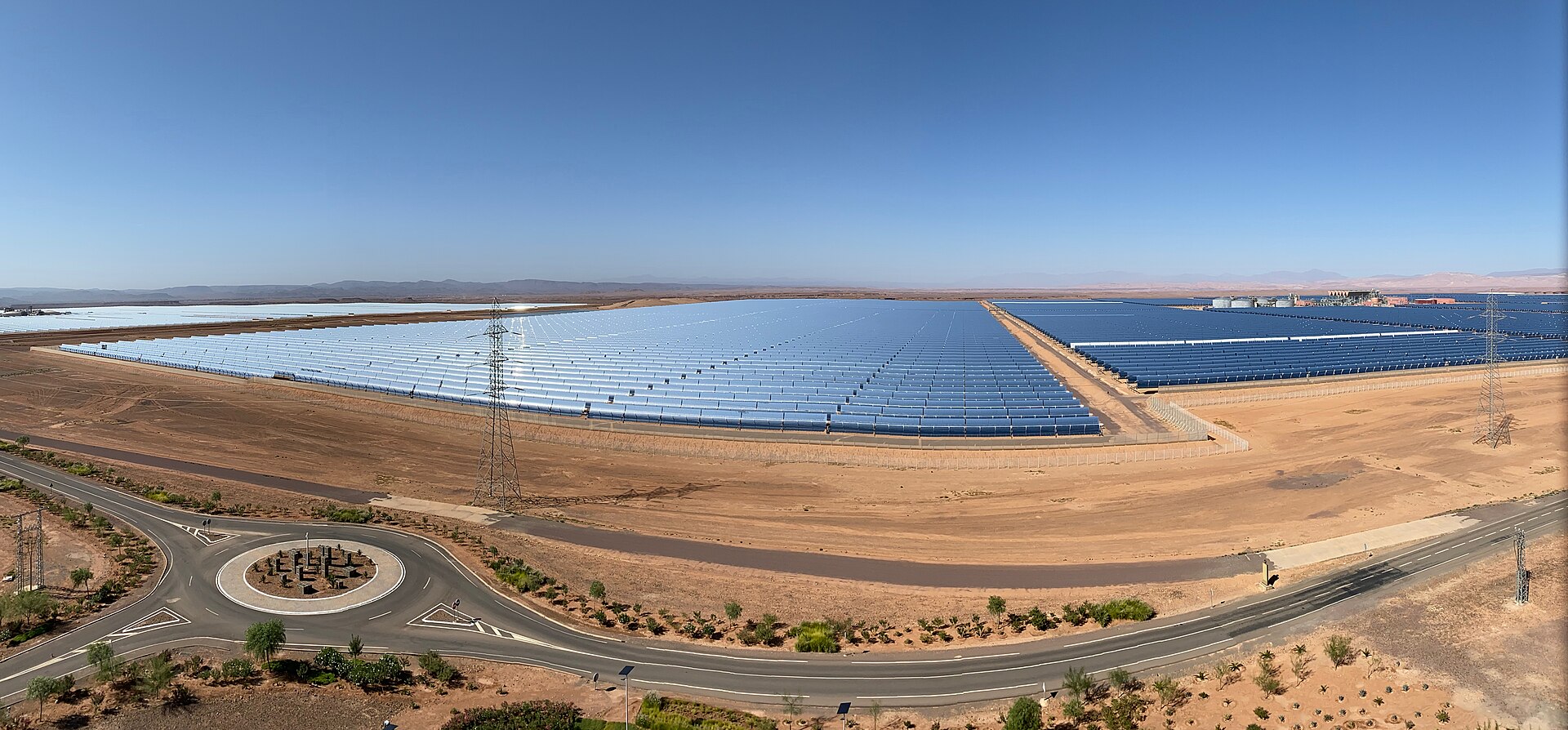
PNM UK provides operation & maintenance services for solar thermal and parabolic systems across the United Kingdom and the MENA region. Our work includes monitoring, scheduled maintenance, fault response, spare parts supply, and engineering consultancy on retrofitting or optimising under-performing installations.
We treat O&M as an engineering discipline, not a contract administration function. The systems we maintain are typically operating closer to design output ten years in than systems running on minimum-cost maintenance contracts. The difference, measured in fuel savings or revenue, is usually multiples of the O&M fee.
If you operate a solar installation that's underperforming, or you're approaching commercial operation and want O&M structured to protect the long-term economics, start a conversation.
Final thought
A solar project's financial model assumes a level of operating performance. The model is right or wrong based on what happens after handover. Spend the same hour on the O&M plan as on the capital structure, and the returns over twenty-five years will surprise the spreadsheet.
- solar operation and maintenance
- solar O&M
- solar ROI
- renewable energy maintenance
- PNM UK