Ask three people what a freight forwarder does and you'll get three answers: "they ship things" (too vague), "they're a middleman" (technically true, uselessly cynical), and "they handle the logistics" (circular). Here is the answer that actually helps: a freight forwarder is the general contractor of an international shipment. They own no ships, no planes, and usually no trucks — what they own is the plan, the paperwork, and the accountability for getting your cargo from one country's factory floor to another country's warehouse door.
You hire a general contractor to build a house not because they lay bricks, but because they know which subcontractors to use, in what order, with what paperwork — and because when something goes wrong at 7 a.m., it's their phone that rings. Same job, different cargo.
The cleanest way to see it is to follow one shipment all the way through. So let's do that.
One shipment, start to finish
The setup: an importer in Cairo buys industrial machinery parts from a supplier in Guangzhou. One 40-foot container, full container load (FCL), purchased on FOB terms — meaning the supplier gets the cargo onto the vessel, and the buyer (through their forwarder) pays for and controls everything from that point on. Destination: Alexandria, then by truck to a plant on the outskirts of Cairo.
Step 1: The plan — before anything moves
The forwarder's first work is invisible: confirming the HS code classification with the customs broker (this drives duty rates and inspection requirements), checking whether the goods need conformity approval through GOEIC, choosing the routing — for Chinese cargo, that's a genuine decision between a Red Sea gateway like Sokhna and a Mediterranean berth like Alexandria, weighed lane by lane as we covered in the Egypt logistics market guide — and setting the schedule backwards from the date the plant actually needs the parts.
Step 2: The ACID number — Egypt's non-negotiable first move
Since Egypt's Nafeza single-window system went live, every sea import needs an ACID number (Advance Cargo Information Declaration) issued before the cargo ships from origin. The forwarder's broker files the shipment data — importer, exporter, goods, HS code — on Nafeza; the system issues the ACID; and that number must then appear on the commercial invoice and the bill of lading. The supplier lodges their documents electronically through the CargoX platform, which feeds Nafeza.
Get this wrong — wrong HS code, mismatched invoice details, or no ACID at all — and the container can be refused discharge or stuck at the port on arrival. A large part of what you pay an Egypt-competent forwarder for is that this step simply never goes wrong.
Step 3: Booking the ocean freight
The forwarder books space with a shipping line — comparing carriers on transit time, reliability and rate for the Guangzhou–Egypt lane that week. Forwarders consolidate volume across many clients, which generally gets them rates and space allocations an occasional shipper can't get alone. This matters most when space is tight: in a capacity crunch, allocation goes to the carriers' steady customers, and the forwarder is the steady customer on your behalf.
Step 4: Export side — documents and origin haulage
At origin, the forwarder's partner agent arranges trucking from the supplier's factory to the port, handles Chinese export clearance, and assembles the document set that the entire rest of the shipment depends on:
- Commercial invoice — the transaction record customs will assess duty against
- Packing list — what's in the container, box by box, weight by weight
- Bill of lading — issued by the carrier once the container is loaded; part receipt, part contract of carriage, part title document
- Certificate of origin — where the goods were made, which can determine the duty rate under trade agreements
The forwarder's discipline here is mundane and decisive: every name, value, weight and code identical across every document, and matching what was filed on Nafeza. Documentation mismatches are the single most common reason containers sit in Egyptian ports while storage and demurrage charges accumulate.
Step 5: The ocean leg — and what "tracking" should mean
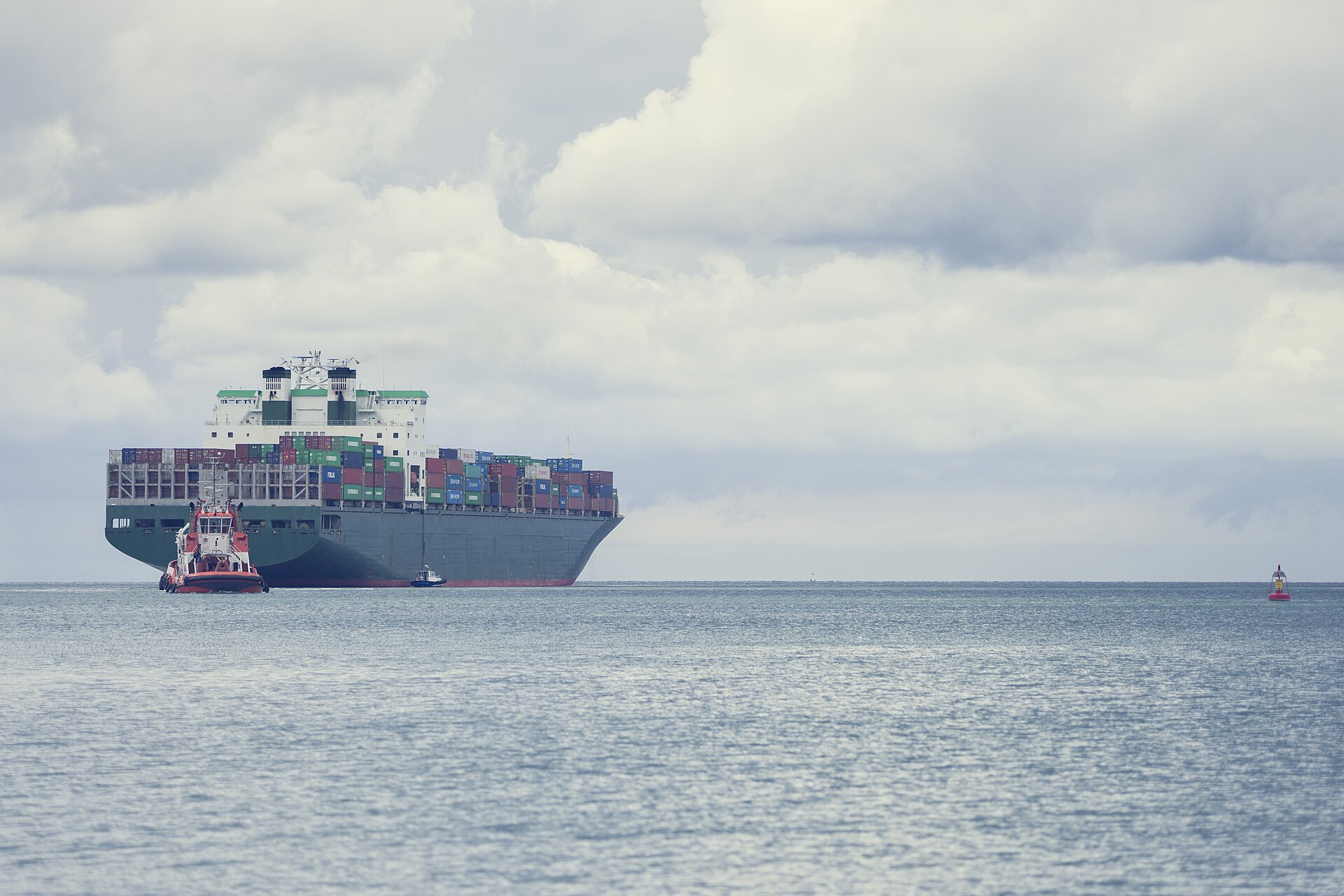
The container sails; roughly two to four weeks on the water depending on routing and carrier — and no honest forwarder guarantees a transit time, because nobody controls vessel schedules. During the voyage the forwarder monitors the sailing, flags delays or transhipment changes, and — critically — uses the time: transmitting documents, confirming duty estimates, pre-alerting the clearance team. A forwarder who only tells you where the ship is has given you a dashboard; a good one tells you what the position means for your delivery date and what they're doing about it — the same signal-versus-noise distinction we've written about in real-time tracking.
Step 6: Arrival at Alexandria — clearance
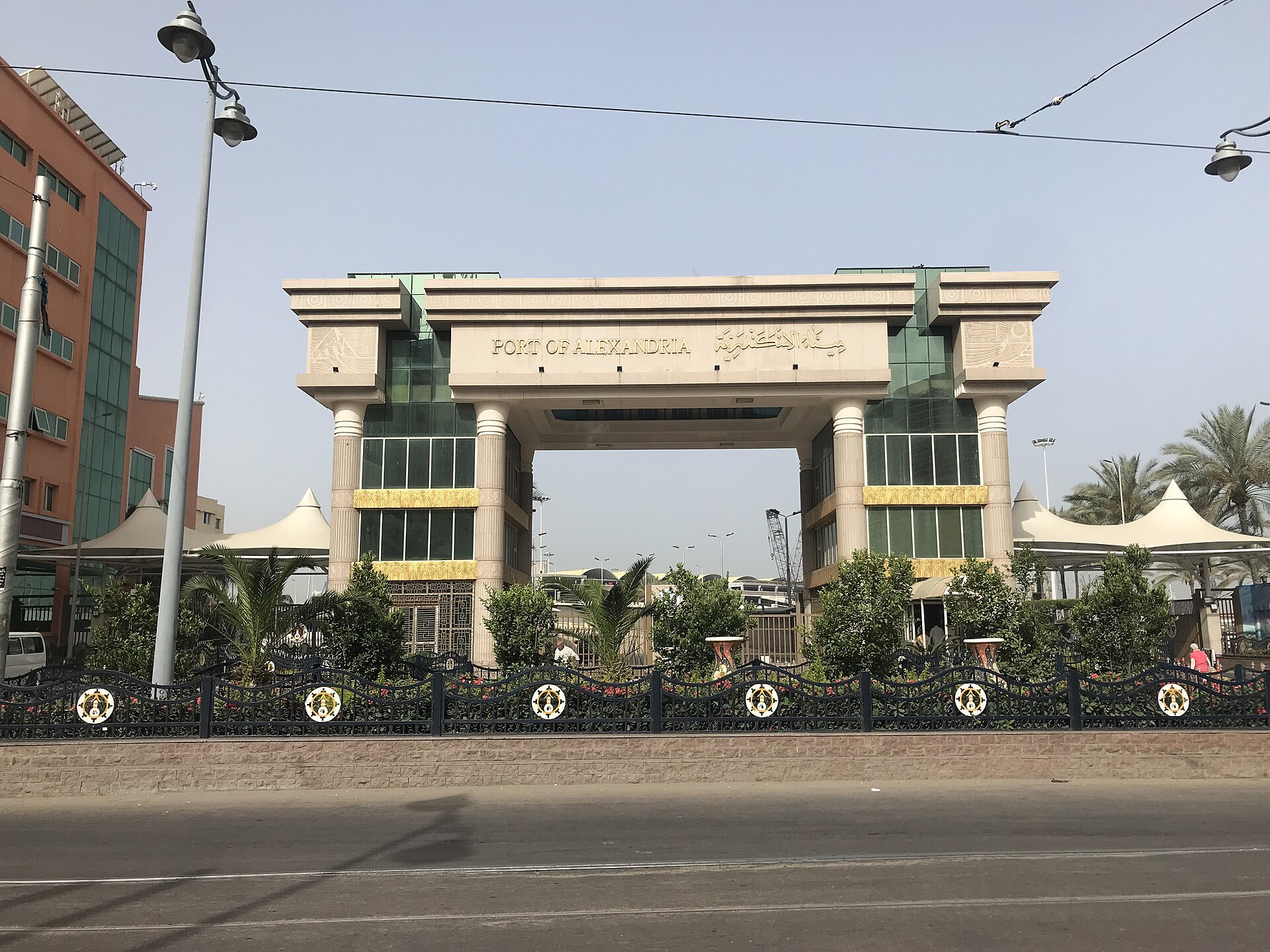
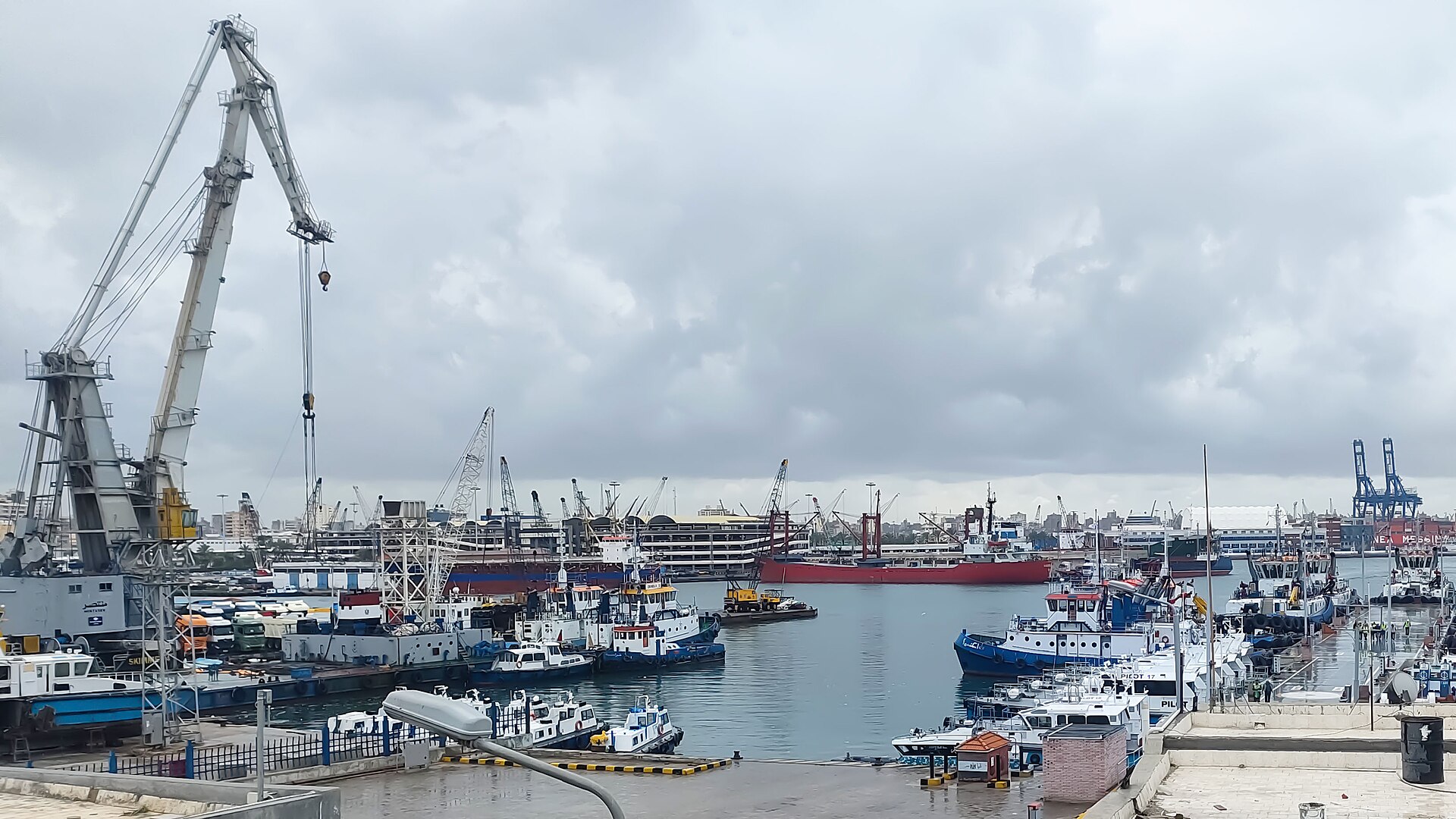
The vessel berths, the container is discharged, and the free days — the period before port storage and container demurrage charges begin — start counting. Now the pre-arrival work pays off. The customs broker lodges the declaration against the documents already in Nafeza; duties and VAT are assessed by HS code; the shipment is routed through a risk channel that determines whether it's released on documents or physically inspected. If customs or GOEIC opens the container, the forwarder's person should be standing there with the packing list — questions answered at the quayside stay questions; questions left hanging become holds.
When the file is clean, this takes days. The clean file is the product.
Step 7: Delivery — the last 220 kilometres
Duties paid and release secured, the forwarder arranges the delivery order, books a truck from its vetted pool, and moves the container from Alexandria to the plant near Cairo. The forwarder confirms in advance that the site can actually receive a 40-foot container — access, offloading equipment, timing — because a container that arrives at a gate that can't take it goes back to a yard, on the clock. After offloading, the empty container returns to the carrier's depot within the free detention period.
Then the forwarder closes the file: documents archived, final invoice reconciled against the quote. On a well-run shipment, that invoice contains no surprises — which, more than any tracking app, is the real deliverable.
Freight forwarder vs carrier vs customs broker vs 3PL
Four terms that get used interchangeably and shouldn't be:
| Role | What they own | What they do for you |
|---|---|---|
| Carrier | The ships, planes, trucks | Moves the cargo on one leg. Sells transport, not orchestration. |
| Freight forwarder | The plan and the relationships | Designs the door-to-door move, books carriers, manages documents, coordinates everyone below. |
| Customs broker | The licence to clear | Files declarations, classifies goods, argues your case with customs. In Egypt: the Nafeza/ACID work. |
| 3PL | Warehouses and inventory systems | Runs your logistics as an ongoing service — storage, fulfilment, distribution — not shipment by shipment. |
The pairing that causes the most confusion is freight forwarder vs customs broker. The broker is a licensed specialist for one (critical) step: clearance. The forwarder manages the whole journey, and either employs brokers in-house or subcontracts them. That distinction is worth probing before you hire anyone — a forwarder whose brokerage is subcontracted adds a layer between you and the person who talks to customs, which is exactly why "who does your clearance?" is question one in our guide to choosing a freight forwarder in Egypt.
Note that the categories blur at the edges: carriers now sell forwarding-style services, and many forwarders offer 3PL warehousing. Judge companies by what they'll actually do on your file, not by the label.
When you do NOT need a freight forwarder
Honesty requires this section, so here it is:
- Small parcels and documents. Express couriers (DHL Express, FedEx, Aramex and their peers) do door-to-door small shipments with clearance built in, faster and cheaper than any forwarder could.
- You bought on DDP terms. If your supplier sold "delivered duty paid," their forwarder handles everything to your door. Your job is verifying they're actually doing it — not hiring a second forwarder.
- You're a large importer with an in-house logistics team. Companies moving hundreds of containers a year on stable lanes often contract carriers directly and employ their own brokers. That's the build-vs-buy decision at scale, and buying isn't always the answer.
- Domestic moves. Trucking within one country needs a transport company, not a forwarder — no border, no forwarder required.
Where a forwarder earns their fee: multi-leg international moves, regulated or inspection-prone goods, markets with demanding customs regimes — Egypt being a textbook case — and any shipper whose time is worth more than the coordination burden of managing five parties across two countries.
What does a freight forwarder cost?
Forwarders earn through a margin on the freight they buy in bulk and fees for the services around it — clearance, documentation, handling, delivery. Anyone who publishes a fixed "cost of shipping" table is guessing on your behalf: ocean and air rates genuinely reprice weekly. What should be fixed and transparent are the local charges. The practical rule: request live quotes on identical scope from more than one forwarder and compare the itemisation, not just the total. The quote with the fewest line items is rarely the cheapest shipment.
The short version
A freight forwarder plans your shipment, buys the transport, builds the paperwork, clears customs through a broker, manages the port, and delivers to your door — carrying accountability across every handoff in between. On a clean shipment they look almost unnecessary. On a complicated one, they're the difference between days and weeks at the port.
PNM Group has been doing this work since 2003 and is a member of IATA and WCA. If the shipment you just read about looks like yours, our sea freight service at PNM Egypt runs exactly this lifecycle — ACID filing to door delivery — through Egypt's Mediterranean and Red Sea ports.
- what does a freight forwarder do
- freight forwarder vs customs broker
- freight forwarding explained
- freight forwarder meaning
- how freight forwarding works
- FCL shipment process