Choosing a freight forwarder anywhere involves the same basic questions: can they move the cargo, can they clear it, and will the invoice match the quote. Choosing one in Egypt adds a layer most guides skip — because Egyptian customs runs on systems, documents, and inspection practices that punish forwarders who only half-understand them. A container that clears Alexandria in days with a competent forwarder can sit for weeks with a careless one, accumulating demurrage the whole time.
This guide covers the things that actually separate freight forwarding companies in Egypt: not the size of their website, but whether they hold their own customs licence, whether they can file on Nafeza without a subcontractor in the loop, and whether their quote is honest about what happens after the vessel arrives.
If you're still working out what a forwarder actually does before hiring one, start with our plain-language explainer on what a freight forwarder does, then come back here.
Why does choosing a forwarder matter more in Egypt?
Egypt digitised its import process around the Nafeza single-window platform. Every sea import needs an ACID number (Advance Cargo Information Declaration) issued before the cargo ships from origin, and the exporter's documents must be lodged electronically through the system. Many product categories also require registration and inspection through GOEIC, the General Organization for Export and Import Control.
None of this is exotic once you know it. But it means the margin for documentation error is thin, and errors surface at the worst possible moment — after the container has arrived and the free days have started counting. A forwarder's real value in Egypt is measured in how rarely their files bounce, and how fast they fix it when one does.
With that context, here are the eight things worth checking before you sign.
1. Do they hold their own customs brokerage licence?
This is the single most revealing question. Many freight forwarders in Egypt sell "customs clearance" but subcontract the actual brokerage to a third party. That's not automatically bad — but it adds a layer between you and the person who talks to customs, and when something goes wrong at the port, layers cost days.
Ask directly: "Is the customs broker who will handle my file your employee, or a subcontractor?" If it's a subcontractor, ask who, and ask whether you can speak to them. A forwarder with in-house brokerage will answer in one sentence. A forwarder reselling someone else's clearance will hedge.
2. Are they fluent in Nafeza and ACID filing?
Fluency shows in specifics. A competent forwarder should be able to walk you through, without notes: when the ACID number must be requested relative to your shipment date, what your foreign supplier needs to do on the CargoX side to lodge documents, what happens if the invoice details on Nafeza don't match the physical documents, and how HS code disputes get resolved.
If the answer to "how do you handle ACID?" is a vague "we take care of everything," push for the mechanics. Everyone takes care of everything until a filing bounces.
3. Which ports do they actually work?
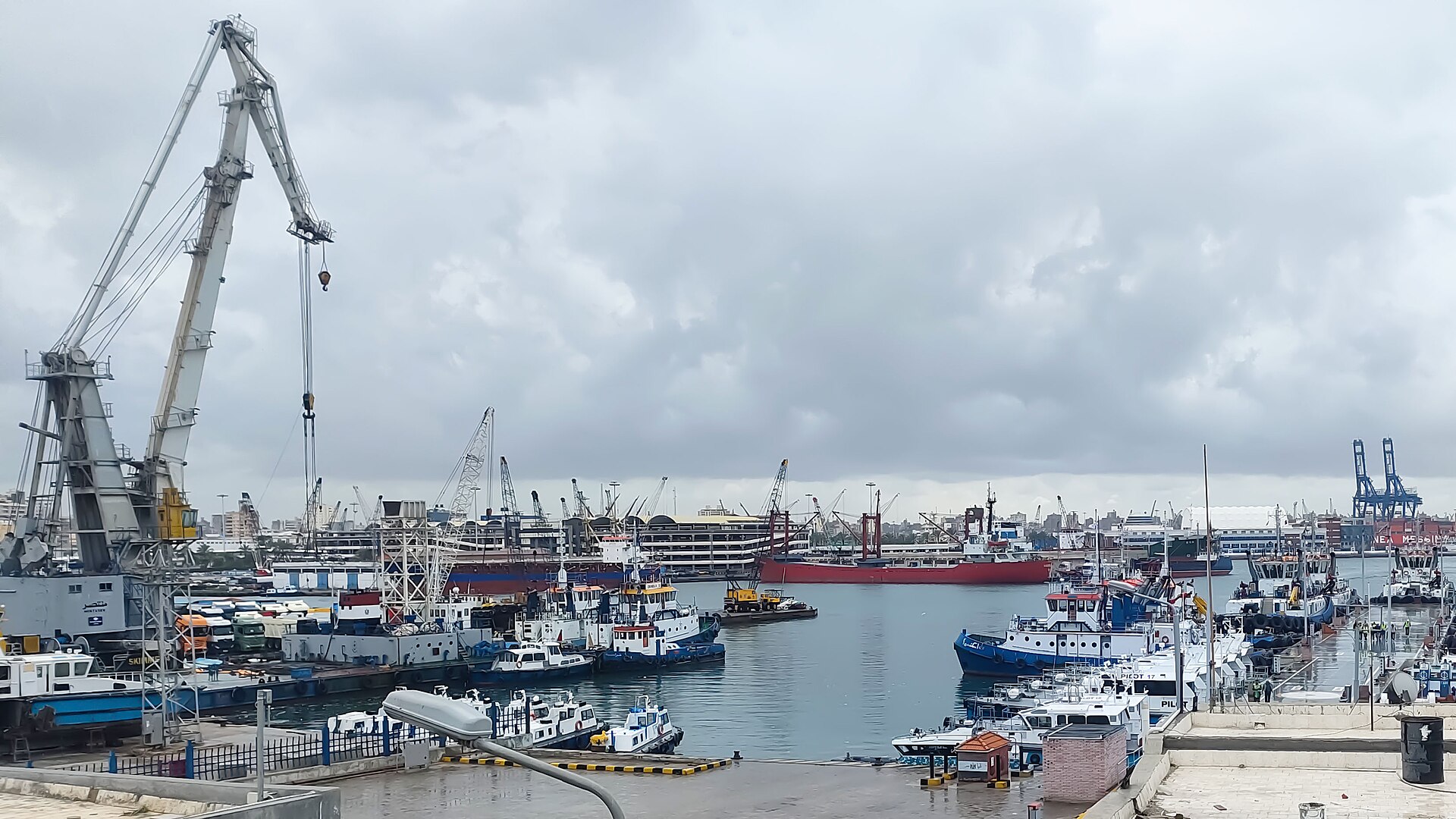
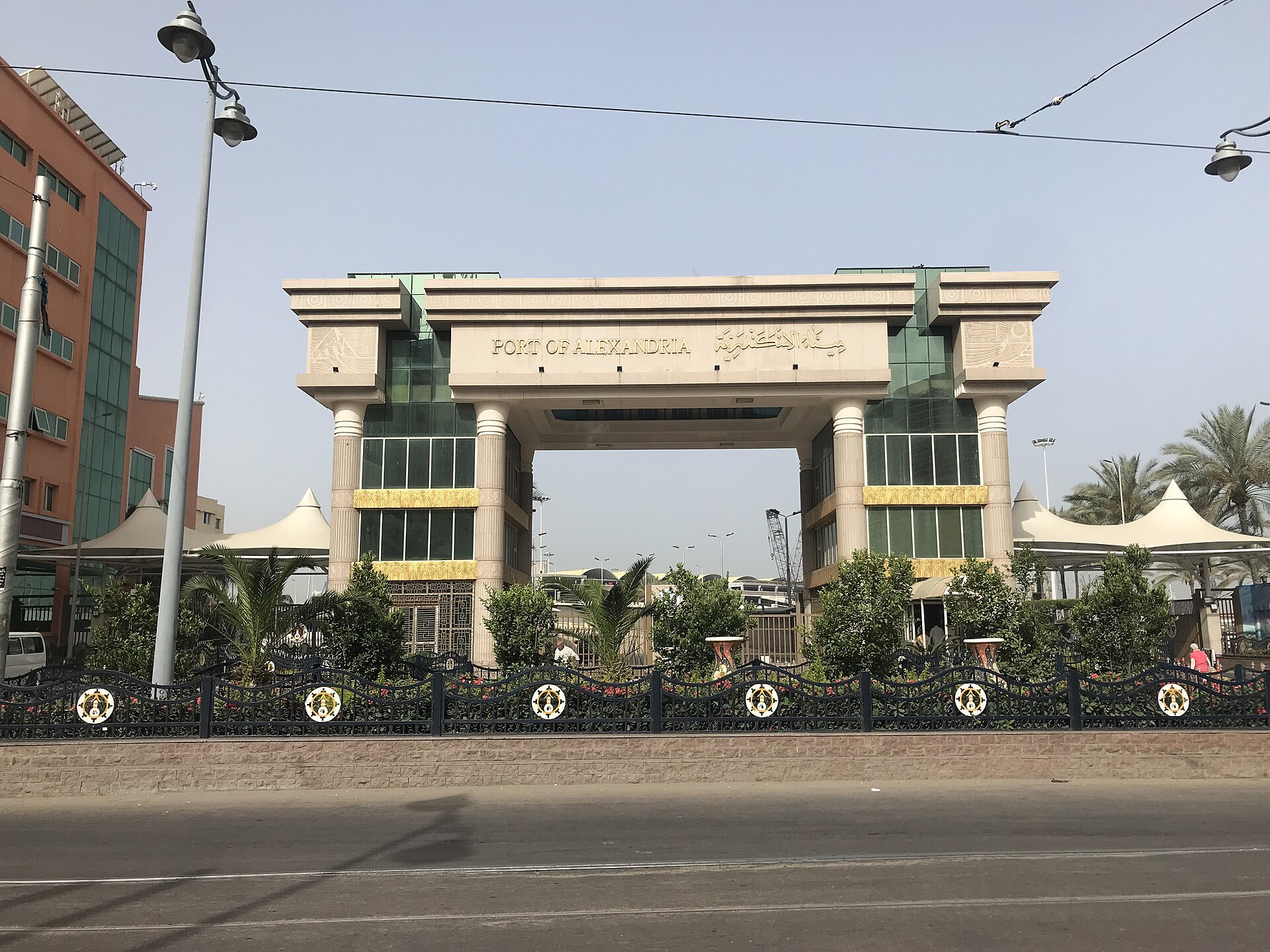
Egypt's cargo doesn't move through one gateway. Sea freight lands at Alexandria and El Dekheila on the Mediterranean, Damietta and Port Said to the east, and Sokhna and Adabiya on the Red Sea — the natural gateways for cargo from Asia and the Gulf. Air freight moves mainly through Cairo International, with Borg El Arab serving Alexandria.
Ask which ports the forwarder clears at regularly — not which ports they can work, which is always "all of them," but where their own people stand at the gate every week. A forwarder who lives at Alexandria but rarely touches Sokhna will still take your Sokhna shipment; they'll just be learning the local rhythm on your cargo and your free time.
4. What do their memberships actually mean?
Trade memberships get printed on every forwarder's letterhead, so it's worth knowing what each one certifies:
- IATA accreditation is specific to air cargo. It means the forwarder can issue air waybills and book directly with airlines rather than going through another agent — one less intermediary and margin on your air freight.
- WCA is the world's largest network of independent forwarders. Membership means vetted partner agents at origin ports worldwide, with financial protection between members. For your shipment, it means the forwarder has a real counterpart in Shanghai or Hamburg, not a stranger found for the occasion.
- FIATA is the global federation of forwarder associations — a professional-standards signal, and the body behind the FIATA Bill of Lading used in multimodal shipments.
None of these guarantees good service. Their absence, however, tells you the forwarder is operating outside the structures the industry uses to hold itself accountable. PNM has been a member of IATA and WCA since 2013 — and we'd encourage you to verify any forwarder's claimed memberships on the associations' own directories, including ours.
5. How do they manage demurrage and detention?
Demurrage — charges for a container sitting at the port past its free days — is where clearance delays turn into real money. Egypt's inspection-heavy import regime makes free time management a core forwarder skill, not an afterthought.
Questions that separate operators from salesmen:
- "How many free days will my shipping line give, and can you negotiate more before the cargo ships?"
- "At what point in the clearance process do you flag that we're at risk of exceeding free time?"
- "If a GOEIC inspection or a customs valuation dispute stalls the file, what exactly do you do, and when?"
A good forwarder treats free days as a budget they're spending on your behalf and reports against it. A poor one mentions demurrage for the first time on the invoice.
6. Do they attend inspections in person?
Egyptian customs inspects a meaningful share of import containers, and certain categories face GOEIC sampling as well. When a container is opened, someone should be standing there who knows your cargo, has the packing list in hand, and can answer the inspector's questions on the spot. When nobody attends, questions become notes, notes become holds, and holds become days.
Ask plainly: "When my container is selected for inspection, does one of your people attend?" The right answer is yes, as routine practice — not "we can arrange that."
7. Can they handle documentation in both English and Arabic?
Customs filings, inspection reports, and port correspondence in Egypt run in Arabic. Your commercial documents — commercial invoice, packing list, bill of lading, certificate of origin — typically arrive in English. A forwarder without genuinely bilingual documentation staff ends up translating under deadline pressure, and translation errors in an HS code description or a consignee name are exactly the kind of mismatch that stalls a Nafeza file.
This matters double if your own team works in one language only. You want a forwarder who can brief your finance team in English and argue your case at the port in Arabic, without anything lost between the two.
8. Can you compare their quote like-for-like?
The cheapest quote on the table is very often the most expensive shipment. Lowball quotes work by quoting the ocean freight competitively and staying silent on everything that follows. When comparing freight forwarding companies in Egypt, force every quote onto the same grid:
| Line item | Ask specifically |
|---|---|
| Ocean/air freight | Which Incoterm? Which port pair? Valid until when? |
| THC (terminal handling) | Included at destination, or billed at cost later? |
| Customs clearance fee | Flat, or "from"? What triggers extras? |
| Inspection attendance | Included, or a call-out charge? |
| Port storage | How many free days, and the daily rate after? |
| Demurrage/detention | Line's free time, and who negotiates extensions? |
| Delivery haulage | To your door, or to the port gate? |
| Documentation fees | ACID/Nafeza filing, delivery order, bill of lading release |
One honest caveat from our side of the table: ocean and air rates genuinely change week to week, and any forwarder quoting you a "standard rate" off a price list is quoting stale numbers. What should be fixed and transparent are the local charges — clearance, handling, attendance, delivery. Rates change weekly; hidden fees shouldn't exist at all. Request a live quote, and judge the forwarder on how completely they itemise it.
Red flags worth walking away from
- No physical address you can visit. Clearing cargo is a ground game. A forwarder with no office near the ports or the capital is a middleman.
- "Guaranteed" transit times or clearance times. Nobody controls vessel schedules, customs selectivity, or inspection queues. Operators quote realistic ranges; salesmen quote guarantees.
- Vague answers on who does the brokerage. See point one. If you can't get a name, there isn't one yet.
- A quote with fewer than six line items. The missing lines don't disappear; they arrive later as "port charges."
- No references in your cargo category. Clearing garments and clearing industrial machinery are different skills. Ask for a reference shipping something like what you ship.
- Pressure to undervalue the invoice. A forwarder who volunteers to "help with the valuation" is inviting you into a customs violation that lands on you, the importer of record — not on them.
A checklist you can copy
Before appointing a freight forwarder in Egypt, confirm:
- In-house licensed customs brokerage (named individual, not a subcontractor)
- Can explain ACID/Nafeza filing mechanics without hand-waving
- Regularly clears at your port (Alexandria, El Dekheila, Damietta, Port Said, Sokhna, Adabiya — or Cairo International / Borg El Arab for air)
- Verifiable IATA/WCA/FIATA membership where relevant to your mode
- Demurrage plan: free days confirmed in writing, risk flagged before it bites
- Attends customs and GOEIC inspections in person as routine
- Bilingual EN/AR documentation team
- Itemised quote covering THC, storage, clearance, attendance, delivery — not just freight
- References from a client in your cargo category
- Clear escalation path: who do you call when something stalls, and who do they call
If you're building a shortlist to run this checklist against, our overview of the top logistics companies in Egypt is a reasonable starting point. And if you're choosing a forwarder as part of a broader operational move, the same discipline applies to domestic partners too — our guide to choosing a corporate moving partner in Kuwait covers the parallel questions on that side.
Where PNM fits
PNM has been moving cargo since 2003 and operating in Egypt through PNM Egypt, our freight forwarding and clearance arm headquartered in Heliopolis, Cairo. We run sea freight through Egypt's Mediterranean and Red Sea ports, air freight through Cairo International, and in-house trucking and customs clearance — the brokerage is ours, not subcontracted, and our people attend inspections.
We won't quote you a rate off a price list, because honest rates don't live on price lists. Send us your port pair and cargo details through a live quote request, and you'll get an itemised number you can put on the comparison grid above — next to anyone else's.
- how to choose a freight forwarder
- freight forwarding companies in Egypt
- freight forwarder Egypt
- customs clearance Egypt
- Nafeza ACID number
- freight quote comparison
- demurrage Egypt